


Towards a Technology of Compassion
What if giving could be as fluid as buying? What if, instead of waiting for a campaign or a guilt-driven appeal, you could give right now — ten cents, fifty cents, one dollar — and know it would ripple faithfully into the world?
“It takes time to practice generosity, but being generous is the best use of our time.”
- Thich Nhat Hanh

The Ten Commandments: An Exposition in the Language of Stewardship
In my own work I have come to understand stewardship as tending something that is not mine to own, keeping it whole, and passing it on uncorrupted. I try to live by these principles, but I am still learning how to embody them.
I had the sense that this way of living would line up with the Ten Commandments. Not as a replacement or an improvement, but as a parallel. The Commandments are given here exactly as they appear in scripture, alongside a reading in the language of stewardship.
This is simply how they read to me. The resemblance is not forced. It comes through naturally. I offer it in that spirit.

Love Is the Object(ive)…
This is a meditation on perception, coherence, and the axis of Love. It explores the human experience as a dimensional orientation rather than a fixed identity, suggesting that our suffering arises not from what we are, but how we choose to perceive. Rather than striving toward something higher, we are invited to re-align with what already is. The language follows the intuitive cadence of the insight itself — layered, asymmetric, and precise in its inner logic. A brief summary and glossary follow the full piece.

The AI Alignment Problem: A Mirror of Human Misalignment…
We often speak of AI as something we must teach to behave ethically. But what if the real question is: Are we ethical enough to teach?
This piece explores the AI alignment problem not as a technical challenge, but as a spiritual mirror—revealing humanity’s own need to rediscover moral coherence and higher purpose.

The Way Back…
Giving up drugs is a process.
It sounds very cliché and ‘rough’ in a way—the expression: giving up drugs.
The whole thing is a lot more complex than simply stopping ingesting substances. You can stop ingesting intoxicants and still be addicted to substances.
It’s called being a sober addict.
To truly ‘give up’ substance use, one must come into contact with their true self—and take this Self up.
Recognise it. Value it. Hold it.
And so, the task is to learn to love yourself.
How simple it sounds…

Leadership in Service: A Vision for Personal and Collective Growth…
I’ve often reflected on the state of humanity and the greed-oriented social constructs we find ourselves in—systems designed to deliver value to a select few at the top. It’s easy to conclude that hierarchical systems are inherently problematic, that no society should serve the interests of a singular apex.
But then it struck me: there is nothing inherently wrong with hierarchies. The flaw lies not in the structure but in the character of those at the top.
The Spin of Existence: An Introduction to Chirality…
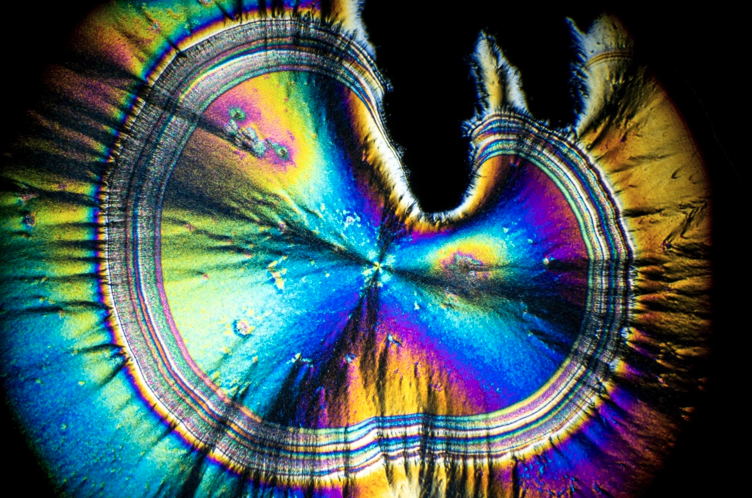
Whether in the expansive spirals of galaxies, the twisting growth of plants, the structure of subatomic particles, or the dualities of philosophy and thought, chirality offers a profound lens to explore the balance and interplay of opposites. It invites us to see directionality and orientation not as static features but as dynamic principles that shape systems—both tangible and intangible—at every scale.

The Connection Between Breath, Stress, and Hypothyroidism: Exploring a New Perspective…
In today’s fast-paced world, stress has become a common companion for many of us. We often hear about the detrimental effects of chronic stress on our health, but have you ever considered how stress might influence your breathing patterns and, in turn, affect your thyroid function?
The Hidden Dance of Breath, Part II: The Bohr Effect—A Practical Guide to Oxygen and CO2…
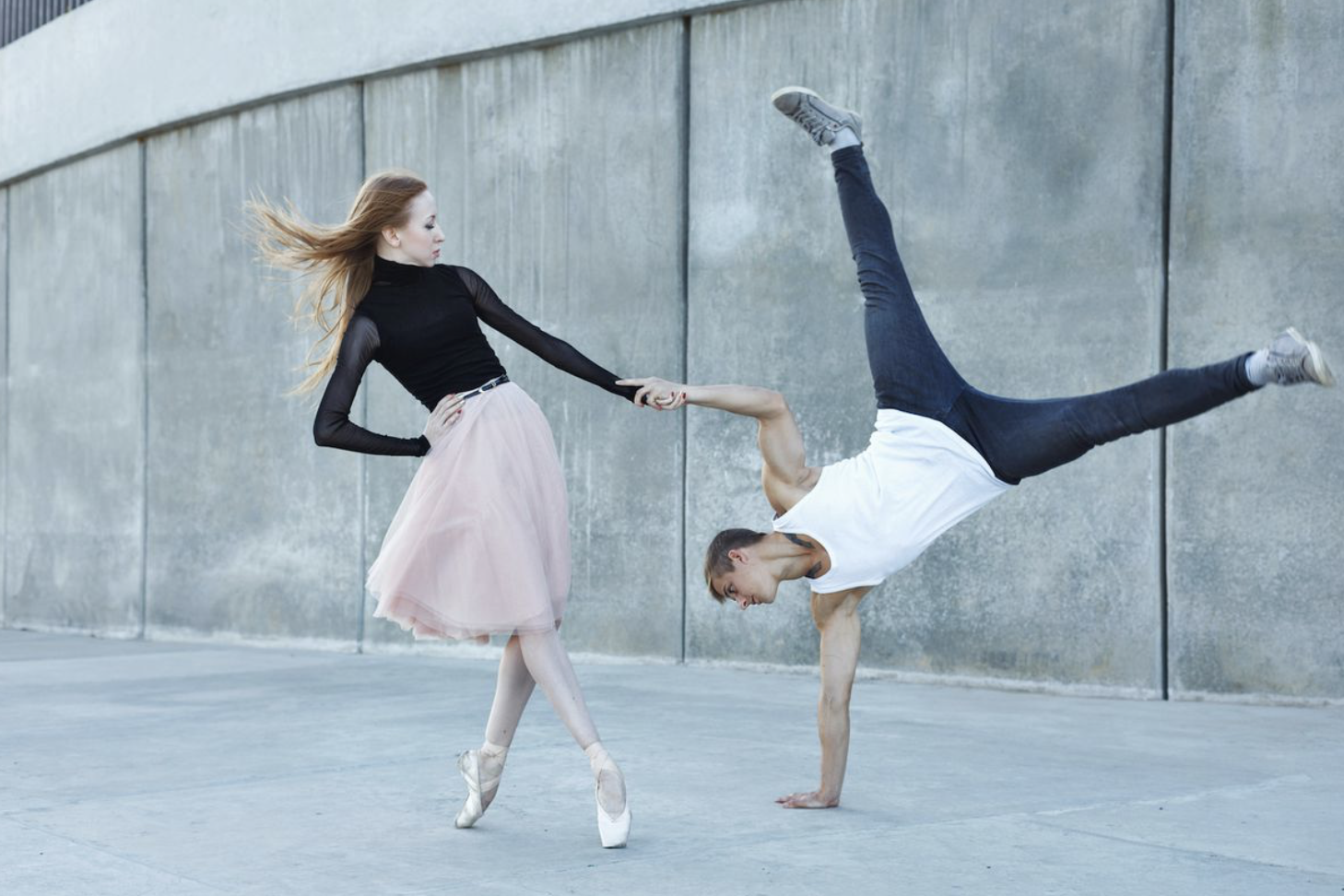
In the last post, we explored the subtle yet powerful role carbon dioxide (CO2) plays in our breath. I called it The Hidden Dance of Breath because, for many, CO2 is often misunderstood or overlooked in favour of oxygen. However, this gaseous exchange between CO2 and oxygen (O2) is a vital balancing act that sustains life—and mastering this balance can lead to a deeper mastery of the breath itself, empowering our breathwork practice—and, by extension, our life—with greater purpose and control, recognising that the two are deeply interconnected.
The Hidden Dance of Breath, Part I: Exploring the Role of Carbon Dioxide in Our Lives…
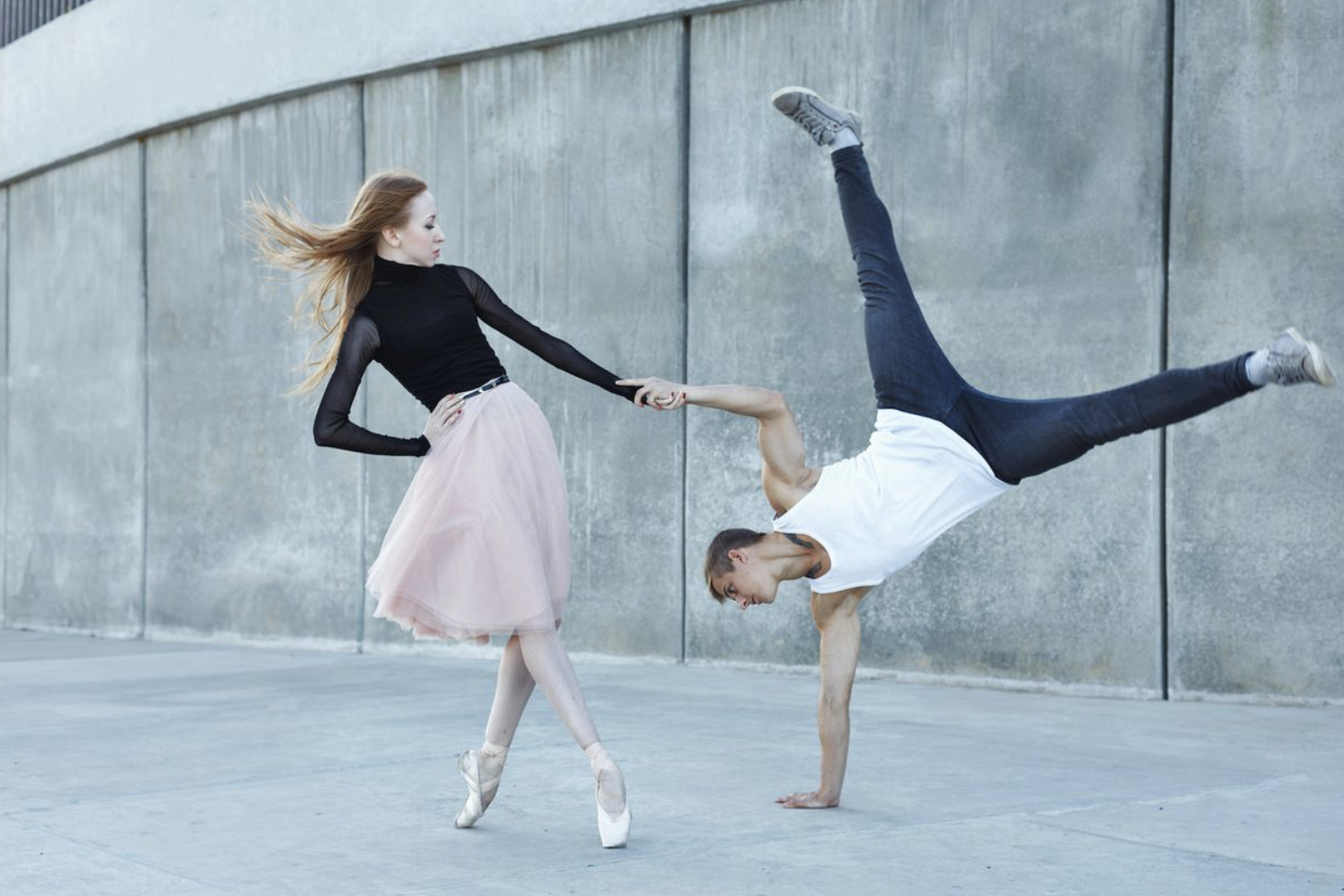
Breathing is often taken for granted. It’s something we do thousands of times each day, unconsciously, until we pause to take a deep breath or catch ourselves after exertion. Oxygen (O2) is often the star of the show in these moments, regarded as the essential element that keeps us alive. But there’s another, often overlooked, actor in the dance of breath: carbon dioxide (CO2).